Sweating Out Your Cold Is Ancient Medicine That Never Worked — But Your Grandmother Still Swears By It
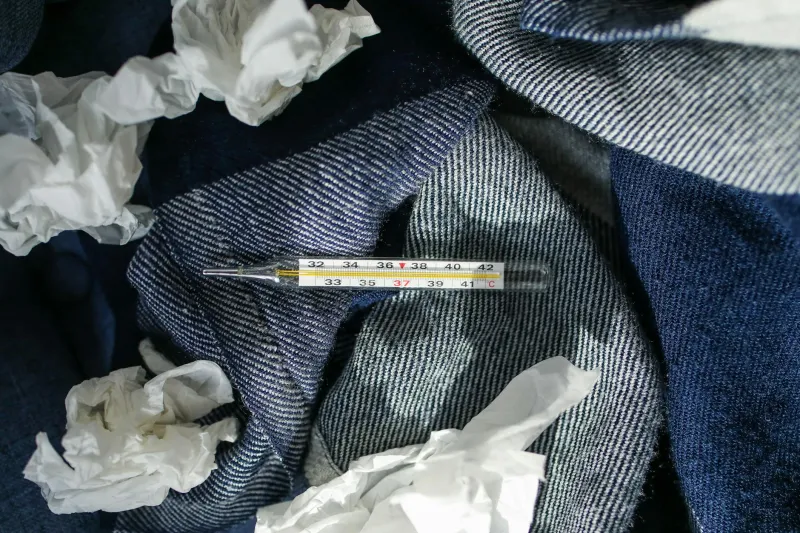
Your grandmother probably told you to "sweat it out" when you caught your first cold. Maybe she piled extra blankets on your bed, cranked up the heat, or suggested a hot bath to "break the fever." If you're particularly wellness-minded, you might have dragged yourself to a sauna or hot yoga class, convinced that a good sweat session would flush the germs right out of your system.
It's one of those pieces of folk wisdom that feels so obviously true that questioning it seems almost silly. After all, your body naturally raises its temperature when fighting infection — surely helping that process along can only speed recovery, right?
Wrong. And the reason this myth persists has more to do with ancient Roman medical theory than anything resembling modern science.
The Four Humors Theory Lives On
To understand why Americans still believe in sweating out sickness, you need to travel back roughly 2,000 years to the world of ancient Greek and Roman medicine. Physicians like Hippocrates and Galen built their entire medical philosophy around the concept of bodily "humors" — blood, phlegm, yellow bile, and black bile.
 Photo: Galen, via thumbs.dreamstime.com
According to this theory, illness resulted from an imbalance of these four substances. Too much phlegm made you sluggish and congested. Excess blood caused fever and inflammation. The cure involved restoring balance through various means: bloodletting, purging, vomiting, and yes — sweating.
Sweat was seen as a way to expel corrupt humors through the skin. Roman physicians prescribed hot baths, steam treatments, and bundling patients in heavy clothing to induce therapeutic sweating. The logic seemed airtight: if bad humors caused disease, and sweating expelled bad humors, then sweating cured disease.
This approach dominated Western medicine for over 1,500 years. Even as medical knowledge advanced in other areas, the fundamental belief that sweating could purge illness remained deeply embedded in cultural consciousness.
What Your Body Is Actually Doing
When modern medicine finally developed tools to understand what happens during infection, the picture looked completely different from ancient Roman theory.
Fever isn't your body trying to sweat out germs — it's a carefully calibrated immune response. Raising your core temperature by just a few degrees creates an environment where many viruses and bacteria struggle to replicate effectively. Meanwhile, the elevated temperature enhances the activity of infection-fighting white blood cells.
Your body produces sweat as a side effect of this process, not as the main event. Sweating is simply your cooling system kicking in to prevent dangerous overheating while your immune system does its work.
"Fever is like turning up the heat in your house to make unwanted guests uncomfortable," explains Dr. Lisa Martinez, an infectious disease specialist at UCLA. "The sweat is just your body's way of preventing the house from catching fire."
Forcing additional sweating through saunas, exercise, or excessive bundling doesn't enhance this immune response. If anything, it can interfere with your body's delicate temperature regulation and leave you dehydrated when you most need fluids.
The Sauna Trap
The sweating-out-sickness myth has found new life in modern wellness culture, particularly around sauna use. Instagram influencers and health gurus regularly promote "sweat therapy" for everything from common colds to hangovers.
Some point to studies showing that regular sauna use might boost immune function over time. But these studies examine the long-term effects of consistent sauna practice in healthy people — not the acute use of heat therapy during active illness.
"Using a sauna when you're already fighting an infection is like asking someone who's already working overtime to work a double shift," notes Dr. James Park, a sports medicine physician. "You're adding stress to a system that's already stressed."
Worst of all, the intense heat of a sauna can mask the warning signs of serious illness. If your fever spikes to dangerous levels, you might not notice it while sitting in a 180-degree room.
Why the Myth Feels True
The sweating-out-sickness belief persists partly because it offers the illusion of control during illness. When you're stuck in bed feeling miserable, actively doing something — anything — feels better than passive waiting.
Sweating also provides immediate sensory feedback. You feel the heat, see the perspiration, and experience the temporary relief that often follows a good sweat. This creates a powerful psychological association between sweating and feeling better, even though correlation isn't causation.
Plus, many people do start feeling better after a hot bath or sauna session — not because they've sweated out toxins, but because heat can temporarily relieve muscle aches and congestion. The warm, humid air might help clear nasal passages, and the relaxation can reduce stress hormones that might otherwise interfere with immune function.
The Modern Reality Check
Contemporary medicine has thoroughly debunked the idea that sweating eliminates toxins or speeds recovery from illness. Your liver and kidneys handle detoxification quite efficiently without any help from your sweat glands. And while staying warm can provide comfort during illness, artificially inducing heavy sweating offers no therapeutic benefit.
The best evidence-based approaches to recovering from viral infections remain decidedly unglamorous: rest, fluids, and time. Your immune system is remarkably sophisticated and doesn't need ancient Roman interventions to do its job effectively.
Breaking the Fever Fallacy
The next time you feel a cold coming on, resist the urge to sweat it out. Instead of piling on blankets or heading to the gym, focus on supporting your body's actual needs: adequate sleep, proper hydration, and nutritious food when your appetite returns.
Save the sauna for when you're healthy and can actually enjoy it. Your immune system has been fighting off infections for millions of years of evolution — it knows what it's doing without help from 2,000-year-old Roman medical theory.
Your grandmother meant well, but sometimes the oldest advice isn't the best advice. Modern medicine has moved far beyond the four humors, even if our cultural instincts haven't quite caught up yet.