Why Your Midnight Wake-Up Calls Might Be Perfectly Normal — And Always Were
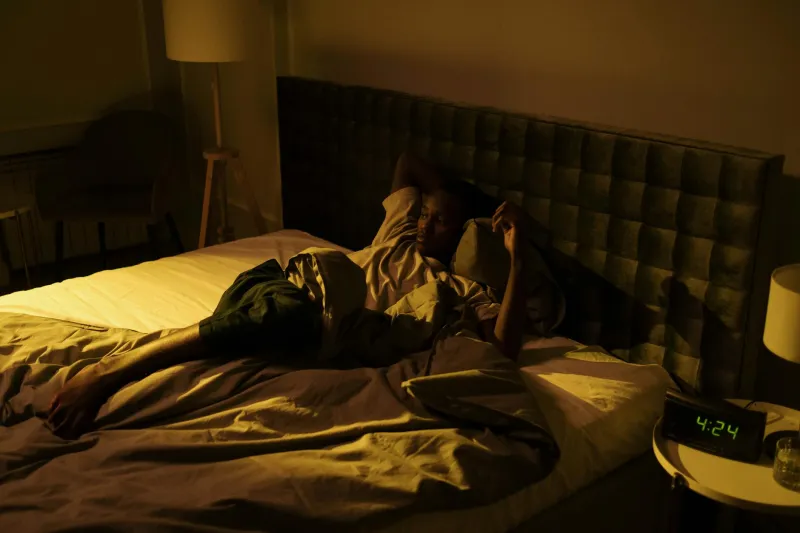
The Panic of the 3 AM Awakening
You've been there. Eyes snap open at 2:47 AM, and immediately the mental math begins: If I fall asleep right now, I'll get four hours and thirteen minutes. Your heart rate picks up. You check your phone. You try every sleep trick in the book. And tomorrow, you'll probably Google "sleep disorders" for the hundredth time.
But what if I told you that this middle-of-the-night awakening — the one that sends millions of Americans into anxiety spirals — might be the most natural thing your body does?
When Sleep Had Two Acts
Before Thomas Edison's light bulb rewrote human schedules, people didn't sleep the way we think they should. Historical records from medieval Europe, colonial America, and traditional societies worldwide reveal something remarkable: humans routinely slept in two distinct chunks.
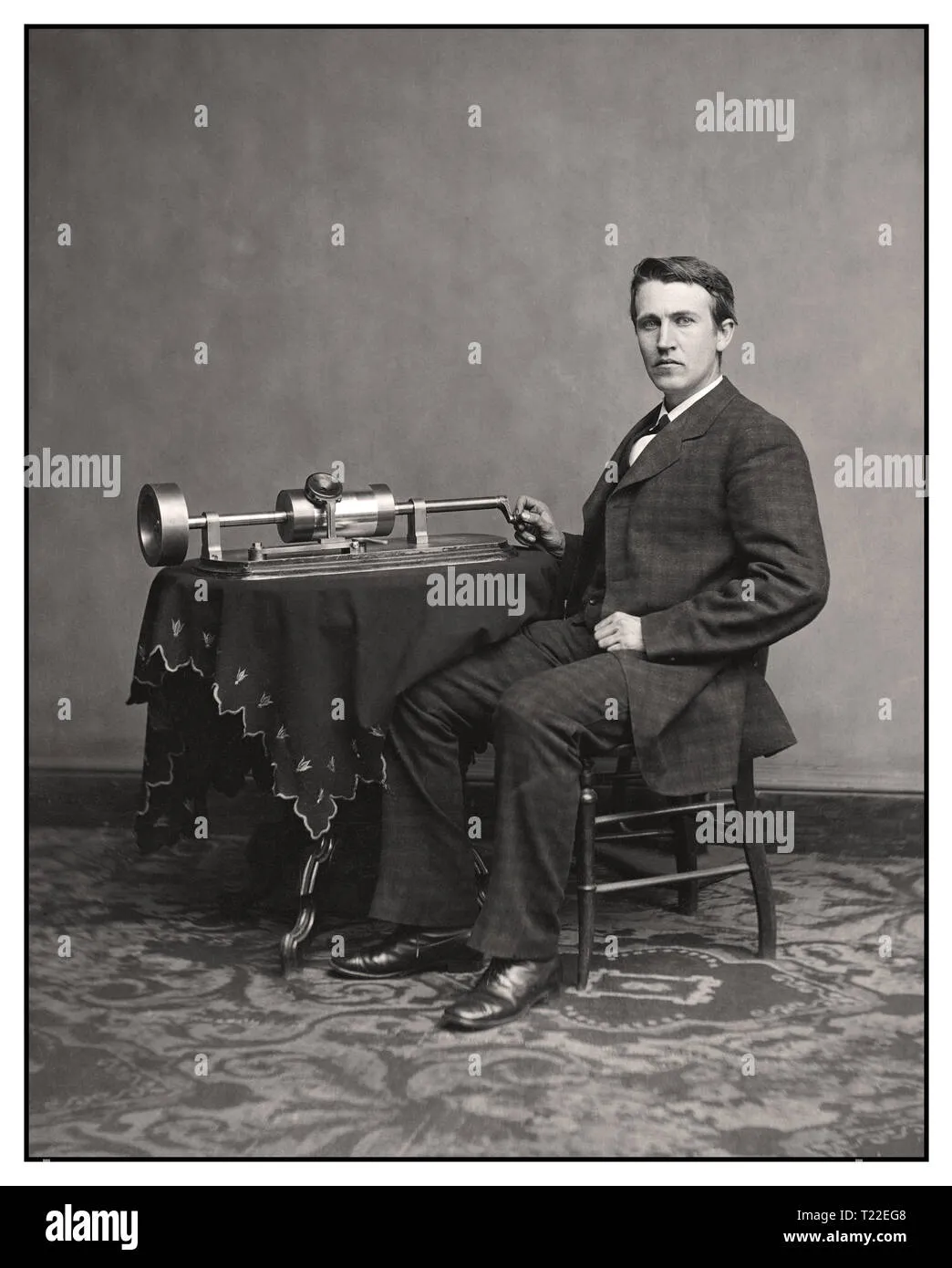 Photo: Thomas Edison, via c8.alamy.com
They'd go to bed around 9 PM, sleep for four hours, then wake up naturally around 1 AM. This wasn't insomnia — it was intermission. People would spend an hour or two awake, praying, reading, having quiet conversations, or simply lying in peaceful contemplation. Then they'd drift back into their "second sleep" until dawn.
Diaries from the 1600s and 1700s are filled with references to "first sleep" and "second sleep." Charles Dickens wrote about it. Court records mention crimes committed during the "watching" hours. It was so normal that nobody thought to explain it — like mentioning that people blinked or breathed.
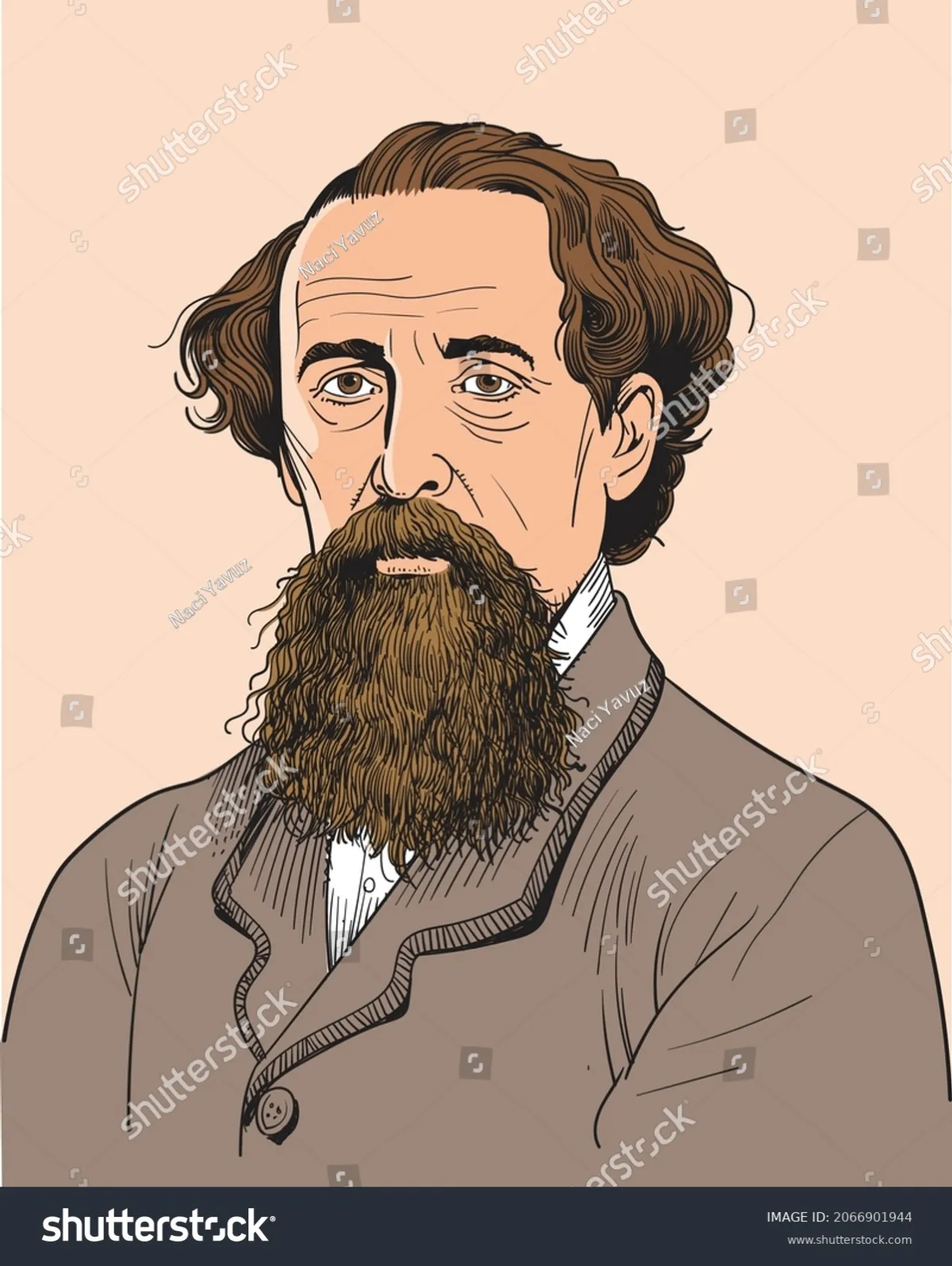 Photo: Charles Dickens, via www.shutterstock.com
The Great Sleep Consolidation
So what happened? Why did we abandon this natural pattern for our modern eight-hour marathon?
The answer lies in the collision between human biology and industrial efficiency. As cities electrified and factory schedules standardized, staying up later became possible — and economically necessary. The quiet midnight hours that once belonged to reflection suddenly belonged to productivity.
Alarm clocks arrived to wake workers at precise times. Night shifts meant someone was always working. The idea of sleep as "lost time" took root in American culture. Gradually, the two-sleep pattern began to look inefficient, even primitive.
By the early 1900s, sleep consolidation was complete. Medical textbooks began defining "normal" sleep as seven to nine uninterrupted hours. Anything else became a disorder.
Why Your Brain Keeps the Old Schedule
But evolution doesn't rewrite itself in a century. Your circadian rhythm still carries the blueprint for segmented sleep, which explains why so many people naturally wake up in the middle of the night — especially during times of stress or seasonal change.
Sleep researcher Dr. Roger Ekirch spent decades documenting historical sleep patterns and found that when people are removed from artificial light for extended periods, they naturally return to the two-sleep pattern within weeks. Our bodies remember what our culture has forgotten.
The anxiety we feel about midnight awakening might actually be making the problem worse. When you wake up at 2 AM and immediately start calculating lost sleep time, you're flooding your system with stress hormones that make it genuinely harder to fall back asleep.
The Modern Sleep Trap
Here's the irony: our obsession with perfect eight-hour sleep might be creating the very sleep problems we're trying to solve. When people believe they need unbroken sleep to function, any natural awakening becomes evidence of failure.
Sleep clinics report that many patients seeking treatment for "insomnia" are actually experiencing normal sleep variations. They're not broken — they're just measuring themselves against an industrial standard that doesn't match human biology.
This doesn't mean everyone should abandon modern sleep schedules. Most people adapt well to consolidated sleep, especially with consistent bedtimes and good sleep hygiene. But for those who regularly experience middle-of-the-night awakening, understanding its historical normalcy can reduce the anxiety that often perpetuates the cycle.
Embracing Your Inner Medieval Peasant
If you're one of the millions who wake up around 2 AM, consider this: you might not be experiencing a sleep disorder. You might be experiencing human history.
Instead of immediately reaching for your phone or starting the mental countdown, try treating those wakeful hours as your ancestors did — as natural transition time. Read something calming. Practice gentle breathing. Let your mind wander without judgment.
The goal isn't to force yourself back into the two-sleep pattern, but to remove the panic from natural awakening. Sometimes the best way to fix "broken" sleep is to stop thinking of it as broken in the first place.
Your 3 AM awakening might not be a bug in your sleep system — it might be a feature that's been running perfectly for thousands of years.