That "Warming" Shot of Whiskey Is Actually Making You Colder

Picture this: you're caught in a snowstorm, and someone offers you a flask of brandy to "warm you up." It's a scene straight out of countless movies and the reason Saint Bernard dogs are forever linked with tiny barrels of rescue alcohol. But this comforting image is built on a dangerous misunderstanding of how alcohol affects your body temperature.
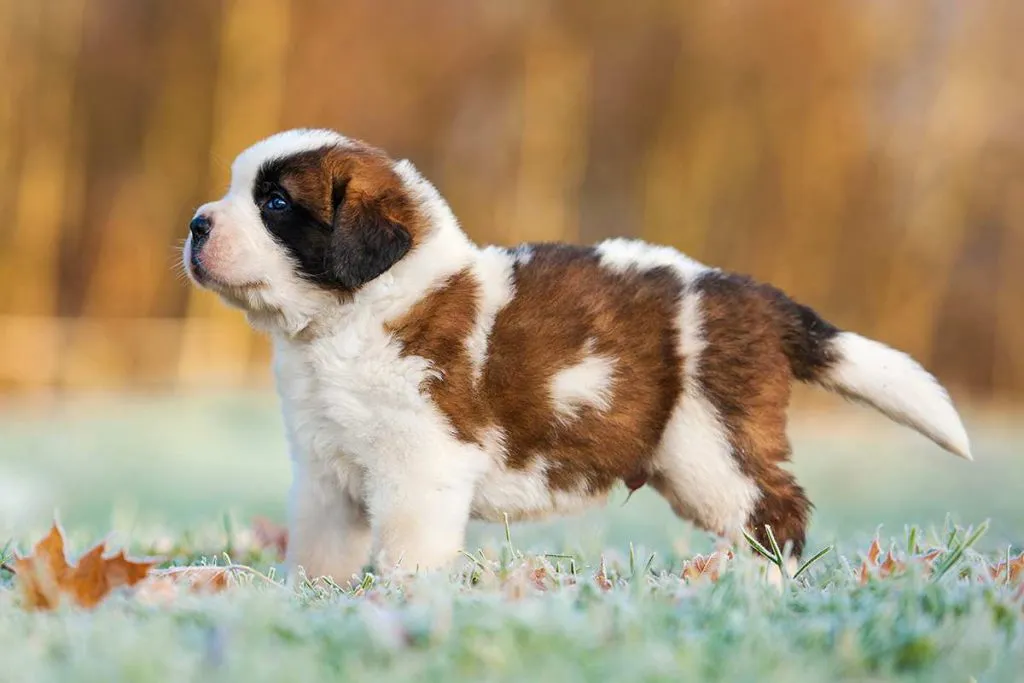 Photo: Saint Bernard, via fishsubsidy.org
The Warm Feeling That Lies
When you drink alcohol in cold conditions, you absolutely feel warmer—at first. Your skin flushes, you feel a spreading warmth through your chest, and the bitter cold seems to fade. This isn't imagination; it's a real physiological response that has fooled humans for centuries.
Alcohol causes your blood vessels to dilate, particularly near your skin's surface. This vasodilation sends more warm blood to your extremities and skin, creating that familiar flush and the genuine sensation of warmth. The problem is that this same process is actually cooling your core body temperature.
How Alcohol Actually Cools You Down
When your blood vessels dilate near your skin, you're essentially turning your body into a more efficient radiator. All that warm blood flowing close to the surface loses heat to the cold air around you. Meanwhile, your body's core temperature—the one that actually keeps you alive—starts dropping.
This is why alcohol increases your risk of hypothermia rather than preventing it. That shot of whiskey might make you feel toasty for twenty minutes, but it's quietly making your body less capable of maintaining the temperature it needs to function.
The Mountain Rescue Myth
The Saint Bernard with a brandy barrel is one of the most enduring images in popular culture, but it's based on a complete misunderstanding of cold-weather physiology. Real mountain rescue teams never used alcohol to warm hypothermic victims because they understood it would make the situation worse.
This myth likely persisted because the immediate warming sensation is so convincing. When you're cold and someone hands you alcohol, the rapid flush of warmth feels like exactly what your body needs. By the time the cooling effect kicks in, you might not connect it to the drink you had earlier.
Why the Myth Won't Die
The alcohol-warming myth survives because the initial sensation is so powerful and immediate. Your body's feedback system tells you that you're getting warmer, and in the short term, parts of you actually are. It takes knowledge of physiology to understand that this warming sensation is actually a warning sign.
Cultural reinforcement plays a huge role too. Countless books, movies, and stories have cemented the idea that alcohol is a cold-weather remedy. When something is repeated in popular culture for generations, it starts to feel like established fact.
The Real Dangers
In truly cold conditions, alcohol doesn't just fail to help—it actively makes things worse. The combination of impaired judgment (from intoxication) and increased heat loss (from vasodilation) creates a perfect storm for hypothermia.
People who drink in cold weather often misjudge how cold they actually are, stay outside longer than they should, and make poor decisions about shelter and clothing. The warming sensation masks the body's natural warning signals about dangerous temperature loss.
What Actually Warms You Up
Real warming comes from increasing your metabolic heat production and reducing heat loss. This means physical activity, proper insulation, warm (non-alcoholic) drinks, and getting out of cold, wet conditions.
Hot tea, coffee, or even warm water will raise your core temperature without the counterproductive vasodilation. Physical movement generates heat through muscle activity. Proper clothing traps the heat your body produces instead of letting it radiate away.
Breaking the Mental Connection
Even people who intellectually know that alcohol doesn't actually warm you up often struggle to override the immediate sensory experience. That flush of warmth is so convincing that it overrides rational knowledge.
The key is understanding that your body's immediate feedback isn't always accurate about what's actually helpful. The same way that scratching an itch feels good but often makes it worse, alcohol's warming sensation feels helpful while quietly undermining your body's temperature regulation.
The Bottom Line
That warming drink in cold weather is one of those myths that persists because it feels so right in the moment. The immediate sensation of warmth is real, but it's masking a process that's actually making you colder and more vulnerable to hypothermia.
Next time you're tempted to warm up with alcohol in cold conditions, remember that your body's first response isn't always its most helpful one. Save the drinks for when you're safely indoors and warm—your core temperature will thank you.