Those Expiration Dates Are Mostly Suggestions—And They're Wasting Your Money
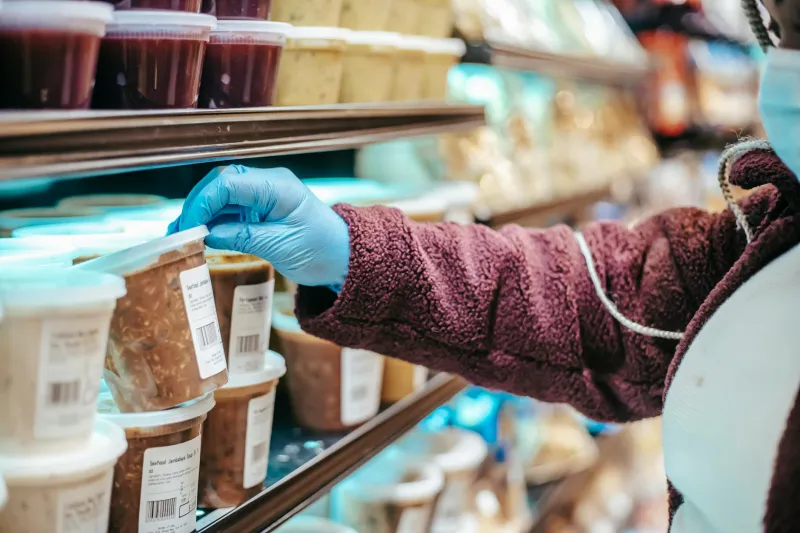
Every week, millions of Americans perform the same ritual: they check the dates on food packages and toss anything that's "expired." It feels responsible, even necessary for food safety. But here's what most people don't realize—those dates on your yogurt, cereal, and canned goods are usually suggestions about peak quality, not warnings about when food becomes dangerous.
The Wild West of Food Dating
Unlike what many people assume, there's no single federal law governing most food expiration dates in the United States. The USDA only requires dating on infant formula. Everything else—from your milk to your crackers—follows a patchwork of state regulations and industry standards that vary wildly.
This means "Best By," "Use By," "Sell By," and "Expires On" can mean completely different things depending on the manufacturer and the state you're shopping in. It's a system designed more for retailer inventory management than consumer safety.
What Those Labels Really Mean
"Best By" dates indicate when a manufacturer thinks their product will taste best—not when it becomes unsafe. Your crackers might be slightly less crispy after the "Best By" date, but they won't make you sick.
"Sell By" dates are instructions for store employees about inventory rotation. They have nothing to do with when you should consume the product at home. Many foods are perfectly safe and tasty for days or weeks past their "Sell By" date.
"Use By" dates are the closest thing to actual expiration dates, but even these are often conservative estimates. Manufacturers set these dates to ensure their product tastes exactly as intended, building in significant safety margins.
The Real Food Safety Indicators
Your senses are often better judges of food safety than printed dates. Fresh foods like meat and dairy will smell off when they're truly spoiled. Canned goods can last years past their printed dates if stored properly—the dates are about optimal flavor, not safety.
Mold, unusual odors, slimy textures, and off-tastes are the real warning signs. A can of beans that's two years past its "Best By" date is almost certainly fine if it looks and smells normal when opened.
The Billion-Dollar Waste Problem
Americans waste about 80 billion pounds of food annually, and confusion over date labels contributes significantly to this problem. The Natural Resources Defense Council estimates that date labels cause 20% of consumer food waste.
This isn't just an environmental issue—it's hitting your wallet hard. The average American family throws away $1,500 worth of food each year, much of it because they misunderstand what those dates actually mean.
Foods That Last Way Longer Than You Think
Dry goods like pasta, rice, and cereal can remain safe and edible for months or even years past their printed dates when stored properly. Canned foods are incredibly shelf-stable—some have been found safe to eat decades after their "expiration" dates.
Even dairy products often last longer than their dates suggest. Milk typically stays good for several days past its date if it's been properly refrigerated and still smells fresh.
A Smarter Approach to Food Freshness
Instead of automatically tossing food based on printed dates, use a combination of the date, your senses, and knowledge about how different foods spoil. Trust your nose, eyes, and taste buds—they evolved to detect food that's actually dangerous.
For highly perishable items like meat and seafood, err on the side of caution. But for shelf-stable items, those dates are usually just the manufacturer's best guess about when their product won't taste quite as good as when it was fresh.
The Takeaway
Those authoritative-looking dates on your food packages aren't federally mandated safety deadlines—they're mostly quality suggestions from manufacturers who want their products to taste perfect. Understanding this difference could save you hundreds of dollars a year and reduce the massive amount of perfectly good food ending up in landfills.
Next time you're about to toss something based solely on a printed date, take a moment to actually examine the food itself. You might be surprised by how much money you've been throwing away.