The Eight-Hour Sleep Rule Started With Factory Whistles, Not Sleep Labs
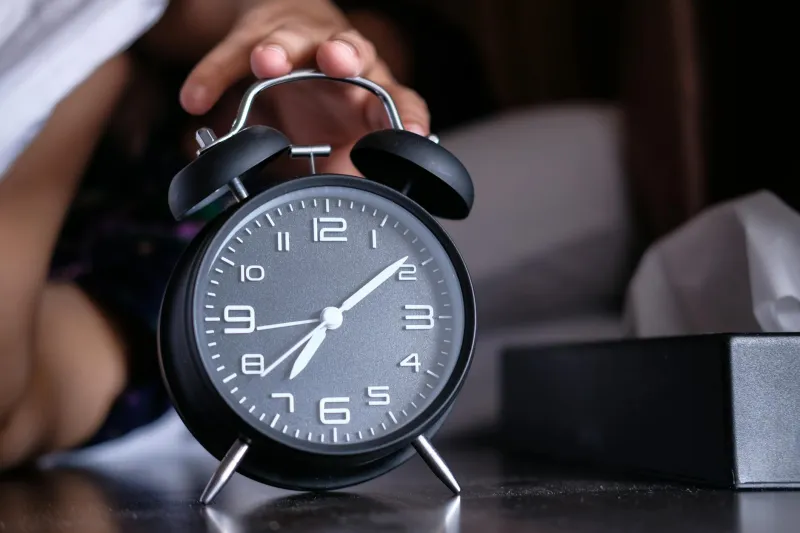
Walk into any doctor's office or wellness blog, and you'll hear the same advice: get eight hours of sleep every night. It's repeated so often that it feels like biological law—as fundamental as needing water or oxygen. But the eight-hour rule has surprisingly little to do with sleep science and a lot more to do with 19th-century labor disputes and 20th-century self-help culture.
The Real Origin Story
The eight-hour sleep recommendation didn't emerge from a sleep laboratory. It came from factory floors during the Industrial Revolution, when labor activists fought for "eight hours work, eight hours rest, eight hours what we will." This slogan, popularized in the 1880s, was about fair working conditions—not optimal sleep duration.
The idea was simple: if workers spent eight hours at the factory, they deserved eight hours to sleep and eight hours for personal time. It was a political statement about human dignity, not a medical prescription based on circadian rhythm research.
What Sleep Science Actually Says
Modern sleep researchers have found that individual sleep needs vary dramatically. Some people function perfectly on six hours, while others need nine or ten. Dr. Daniel Kripke's studies at UC San Diego found that people who sleep 6.5 to 7.5 hours actually have lower mortality rates than those who get the "recommended" eight hours.
 Photo: Dr. Daniel Kripke, via goldlabfoundation.org
 Photo: UC San Diego, via a.mktgcdn.com
The National Sleep Foundation's guidelines reflect this reality—they recommend 7-9 hours for adults, acknowledging the wide range of normal variation. Yet somehow, eight hours became the magic number everyone remembers.
 Photo: National Sleep Foundation, via www.pngitem.com
Why Quality Beats Quantity
Sleep researchers focus more on sleep quality than duration. Deep sleep stages, REM cycles, and sleep continuity matter more than hitting an arbitrary time target. Someone who gets six hours of uninterrupted, restorative sleep might feel better than someone who tosses and turns for eight hours.
Your genetics, age, lifestyle, and health conditions all influence how much sleep you need. Trying to force yourself into an eight-hour box can actually create anxiety around sleep—the opposite of what you're trying to achieve.
The Marketing Machine
The eight-hour rule gained momentum through self-help culture and wellness marketing. Sleep trackers, mattress companies, and wellness gurus all promote the eight-hour standard because it's simple and memorable. A clear target sells better than "it depends on your individual biology."
Sleep apps reinforce this by celebrating when you hit eight hours and flagging shorter nights as "insufficient." This gamification of sleep can make people obsess over duration while ignoring how they actually feel.
Listen to Your Body Instead
Rather than watching the clock, pay attention to how you feel. If you wake up refreshed and alert after seven hours, that's probably your natural sleep need. If you're dragging after eight hours, you might need more sleep or better sleep quality.
Consistent sleep and wake times matter more than hitting a specific duration. Your body thrives on routine, regardless of whether that routine involves six hours or nine hours of sleep.
The Bottom Line
The eight-hour sleep rule persists because it's simple and sounds scientific. But sleep is deeply personal, influenced by everything from your genes to your stress levels. Instead of chasing an arbitrary number created by 19th-century labor activists, focus on what actually makes you feel rested and alert.
Your sleep needs are as individual as your fingerprints—and that's perfectly normal.