Your Body Never Stopped Detoxing — The Wellness Industry Just Convinced You It Had
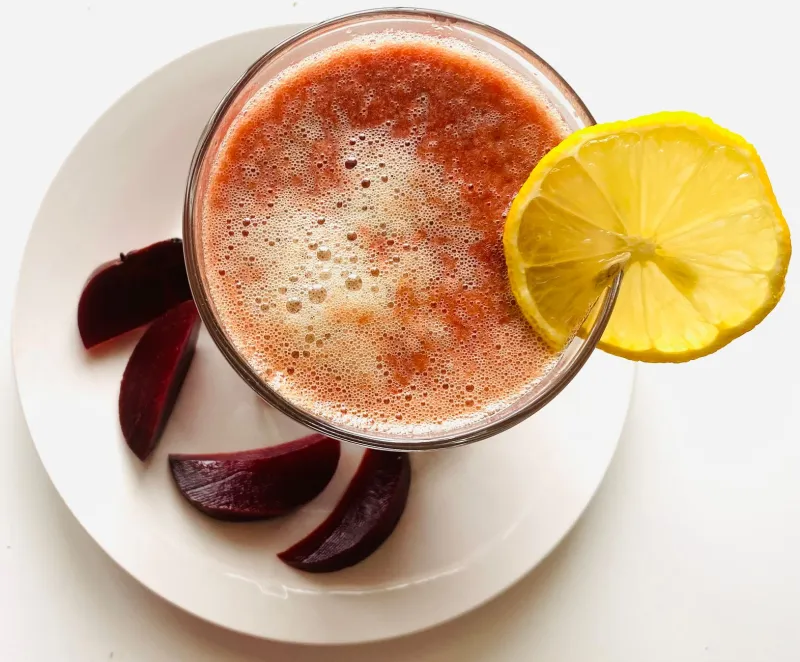
There's a ritual that plays out in kitchens across America every time someone returns from a vacation. The suitcase barely hits the floor before the internal negotiation starts: I ate too much. I drank too much. I need to cleanse. Within hours, a detox tea has been ordered, a three-day juice fast has been planned, and the guilt of two weeks in Mexico has been officially assigned to a category called "toxins."
It's a compelling story. It's also almost entirely made up.
What Your Liver Is Actually Doing Right Now
Your liver is one of the most sophisticated processing systems in the known universe, and it has never once taken a vacation. Every minute of every day, it filters your blood, neutralizes harmful compounds, converts ammonia into urea, metabolizes alcohol, processes medications, and packages waste for removal through your kidneys and digestive tract. It does this automatically, continuously, and without any input from a $60 bottle of activated charcoal.
Your kidneys are running a parallel operation — filtering roughly 200 quarts of blood daily and excreting waste through urine. Your lymphatic system, your lungs, your skin — all of them contribute to ongoing waste removal in ways that have nothing to do with what you choose to drink on a Monday morning.
Here's the thing that the wellness industry doesn't want to lead with: if your body had genuinely stopped processing toxins, you would not be alive to buy a detox kit. Actual toxic overload — the kind that happens with liver failure or severe poisoning — is a medical emergency treated in a hospital, not a juice bar.
So Why Do You Feel So Bad After Vacation?
This is actually the more interesting question, and the answer has nothing to do with toxin buildup.
Sleep disruption is almost always the main culprit. Travel throws off your circadian rhythm in ways that take days to correct. Even if you didn't cross time zones, the combination of later nights, different light exposure, unfamiliar sleeping environments, and inconsistent wake times is enough to leave you foggy, slow, and genuinely exhausted. That dragging feeling on your first week back at work? That's your brain's sleep architecture trying to resynchronize — not a liver struggling under a pile of margaritas.
Dehydration compounds everything. Flying is dehydrating. Spending time in the sun is dehydrating. Drinking alcohol, even in moderate amounts, is dehydrating. Most people come home mildly dehydrated and mistake the brain fog and fatigue for something more dramatic. Drinking more water genuinely helps — not because it "flushes toxins" in any meaningful clinical sense, but because rehydration directly improves cognitive function and energy levels.
Dietary shifts change your gut microbiome. When you eat differently for two weeks — more rich food, more sugar, different cuisines, irregular meal timing — the composition of your gut bacteria shifts. That can affect digestion, mood, and energy in ways that feel significant but are also entirely reversible just by returning to your normal eating patterns. Your gut doesn't need a cleanse. It needs Tuesday.
The psychological weight of returning is real. Post-vacation blues are a documented phenomenon. The contrast between freedom and routine creates a genuine emotional dip that people often interpret as physical unwellness. It's not toxins. It's the fact that you'd rather still be on the beach.
How "Detox" Became a Billion-Dollar Word
The concept of purging impurities from the body is ancient — it shows up in Ayurvedic medicine, in medieval bloodletting, in early 20th-century fasting movements. But the modern detox industry as Americans know it really accelerated in the 1990s and early 2000s, riding the wave of growing distrust in processed food, environmental anxiety, and a wellness culture that was learning to monetize personal health rituals.
The genius of the detox concept is that it's unfalsifiable in a practical sense. You can't point to a specific toxin being removed. You can't measure before-and-after "toxin levels" in any standardized way. What you can measure is how you feel — and because most detox protocols involve drinking more water, eating more vegetables, cutting alcohol, and sleeping better, people genuinely do feel better. The protocol works. The explanation for why it works is just completely wrong.
When researchers and physicians have reviewed detox products directly, the findings are consistent: no credible clinical evidence supports the idea that commercial cleanses remove toxins that the liver wouldn't handle on its own. A 2015 review published in the Journal of Human Nutrition and Dietetics examined the evidence for detox diets and found no convincing data that they reduce toxin levels or improve health beyond what a normal healthy diet would achieve.
That hasn't slowed the market down. The global detox product industry is worth billions, and it grows every year.
What Actually Helps After Vacation
None of this means you have to white-knuckle your way through post-trip exhaustion without doing anything about it. There are things that genuinely work — they're just less exotic than a three-day cleanse.
Getting back on a consistent sleep schedule is the single most effective intervention for post-travel fatigue. Prioritizing hydration — actual water, not detox tea — addresses dehydration directly. Returning to regular meals with plenty of vegetables and fiber helps your gut microbiome restabilize faster than it would otherwise. Moving your body, even a short walk, helps regulate circadian rhythm and mood.
These aren't glamorous recommendations. They don't come in a 12-bottle kit with a branded tote bag. But they're what the evidence actually points to.
The Takeaway
Your liver didn't take a vacation. It was working through every poolside cocktail and late-night meal without complaint, doing exactly what it was designed to do. The sluggishness you feel when you get home is real — it's just caused by jet lag, dehydration, sleep disruption, and the simple sadness of going back to work. Your body doesn't need a reset. It needs a Tuesday, a full night of sleep, and a glass of water. The detox industry just figured out how to charge you $80 for that realization.