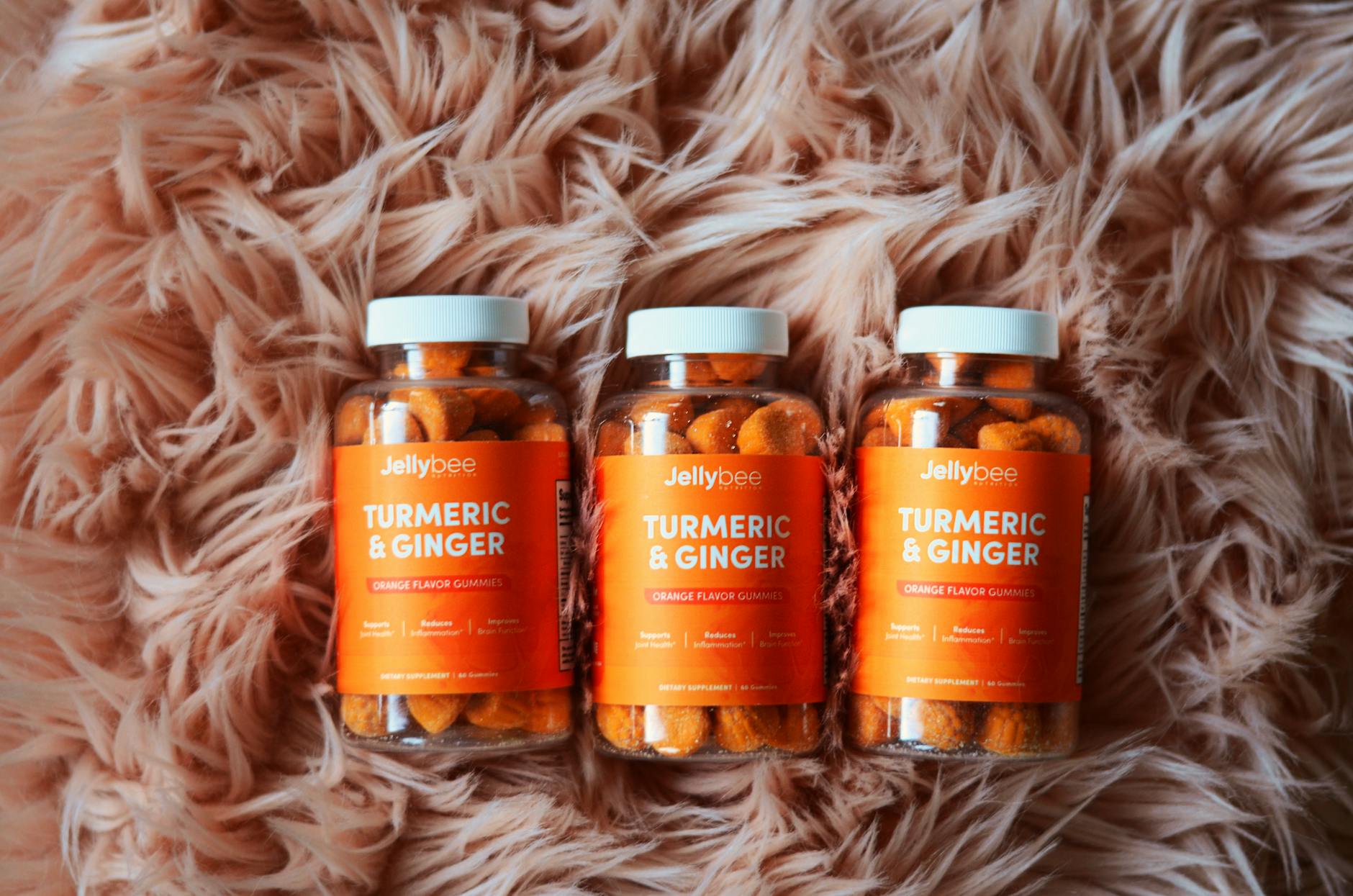
Walk into any American bathroom and you'll likely find them: bottles of multivitamins lined up like tiny soldiers on the medicine cabinet shelf. Gummy vitamins shaped like cartoon characters for the kids. Adult formulas promising energy, immunity, or heart health. Maybe some individual supplements — vitamin D, B12, omega-3s — each addressing a specific concern.
It's a ritual so ingrained in American culture that questioning it feels almost heretical. We take vitamins because... well, because vitamins are good for us, right?
The reality is more complicated. After decades of large-scale research involving hundreds of thousands of people, the scientific consensus is surprisingly clear: for most healthy adults eating a reasonably varied diet, daily multivitamins provide no meaningful health benefits.
So how did we get here?
The Birth of Nutritional Anxiety
The American vitamin obsession has roots in genuine scientific discovery. In the early 1900s, researchers identified specific nutrients that prevented devastating diseases — vitamin C stopped scurvy, vitamin D prevented rickets, B vitamins cured beriberi and pellagra.
These discoveries were revolutionary. For the first time in human history, scientists understood that tiny amounts of specific compounds could mean the difference between health and serious illness. The implications seemed enormous: if vitamins could cure disease, surely getting more of them would make people healthier?
This logic drove the first wave of vitamin supplementation in the 1920s and 30s. Companies began adding vitamins to foods and selling them as supplements, often with dramatic health claims that would make modern regulators cringe.
The Marketing Machine Takes Over
The real transformation happened after World War II, when American prosperity collided with sophisticated advertising techniques. The supplement industry discovered something powerful: vitamins weren't just nutrients, they were symbols of health consciousness and self-care.
Linus Pauling, the Nobel Prize-winning chemist, inadvertently supercharged this trend in the 1970s when he began promoting massive doses of vitamin C for everything from the common cold to cancer prevention. His celebrity status gave scientific credibility to the idea that more vitamins meant better health, despite limited evidence supporting his claims.
Meanwhile, supplement companies perfected the art of implied health benefits. They couldn't legally claim their products treated diseases, but they could suggest enhanced energy, improved immunity, or better overall wellness — benefits that were nearly impossible to disprove.
The "Insurance Policy" Psychology
By the 1980s and 90s, multivitamins had evolved into something uniquely American: nutritional insurance. The logic was seductive in its simplicity — even if you didn't need extra vitamins, taking them couldn't hurt, and might help fill gaps in your diet.
This "just in case" mentality proved incredibly powerful. Unlike other health interventions that required lifestyle changes or medical supervision, taking a daily vitamin was easy, inexpensive, and made people feel proactive about their health.
The supplement industry leaned into this psychology hard. Marketing campaigns emphasized the complexity of modern nutrition and the impossibility of getting everything you need from food alone. Soil depletion, processed foods, busy lifestyles — all became reasons why even health-conscious Americans needed supplemental insurance.
What the Research Actually Shows
Starting in the 1990s, researchers began conducting large-scale, long-term studies to test whether vitamin supplementation actually improved health outcomes. The results were consistently disappointing.
The Physicians' Health Study II, which followed nearly 15,000 male doctors for over a decade, found no reduction in heart disease, stroke, or cancer among those taking daily multivitamins. The Women's Health Initiative, involving over 160,000 women, reached similar conclusions.
Study after study has shown the same pattern: for people eating reasonably varied diets, multivitamins don't prevent chronic diseases, extend lifespan, or improve cognitive function. In some cases, high-dose supplements have actually increased health risks.
The Exceptions That Prove the Rule
This doesn't mean all vitamin supplementation is pointless. Specific populations do benefit from targeted supplementation:
- Pregnant women need folic acid to prevent birth defects
- People over 50 often need B12 supplements due to absorption issues
- Those with limited sun exposure may need vitamin D
- Vegans typically require B12 supplementation
- People with diagnosed deficiencies obviously benefit from addressing those deficiencies
But these are medical interventions for specific conditions, not the broad "wellness insurance" that multivitamins are marketed as providing.
Why We Keep Taking Them Anyway
If the evidence is so clear, why do over half of American adults still take vitamins regularly? The answer reveals something fascinating about human psychology and health behavior.
First, there's the optimism bias — we tend to believe that interventions will help us more than statistical evidence suggests. Taking vitamins feels like taking control of our health, even when that control is largely illusory.
Second, vitamins tap into loss aversion. The fear of missing out on potential benefits feels stronger than the rational assessment that those benefits probably don't exist.
Third, there's cultural momentum. When vitamin-taking becomes a social norm, questioning it requires swimming against a powerful current of conventional wisdom.
The Real Cost of Vitamin Culture
The $40+ billion Americans spend annually on supplements isn't just wasted money — it represents a fundamental misunderstanding of how nutrition works. Nutrients from food come packaged with fiber, antioxidants, and other compounds that work synergistically. Isolated vitamins in pill form can't replicate this complexity.
More concerning is how vitamin culture can substitute for genuinely beneficial health behaviors. It's easier to take a pill than to exercise regularly, eat more vegetables, or get adequate sleep — but those lifestyle factors have far greater impact on long-term health than any supplement.
The Simple Truth About Nutrition
For most Americans, the path to better nutrition doesn't run through the supplement aisle. It runs through the produce section, the whole grains aisle, and the fresh fish counter.
A diet rich in fruits, vegetables, whole grains, lean proteins, and healthy fats provides not just vitamins, but the full spectrum of nutrients your body needs in forms it can actually use effectively.
Breaking the Vitamin Habit
This doesn't mean you should feel guilty about taking vitamins if they make you feel better about your health routine. The placebo effect is real, and if a daily multivitamin motivates you to pay more attention to your overall wellness, that psychological benefit might be worth the cost.
But it's worth recognizing the vitamin habit for what it really is: a cultural phenomenon that grew out of early nutritional science, was amplified by clever marketing, and persisted long after the evidence showed it wasn't necessary.
Your body is remarkably good at extracting what it needs from food and discarding what it doesn't. Maybe it's time we trusted it to do that job without pharmaceutical backup.