Generations of Kids Sat Poolside Waiting for a Timer That No Doctor Ever Set
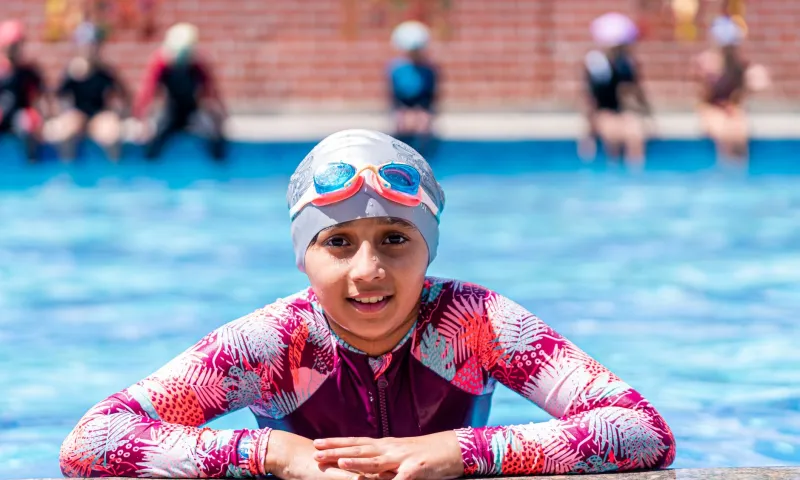
If you grew up in America with access to a pool, a lake, or a public splash pad, you know the ritual. Lunch ends. An adult — a parent, a lifeguard, a camp counselor — announces the pool is closed for 30 minutes. Protests are lodged. They are denied. You sit on a towel watching the water while your sandwich digests, waiting for some invisible biological process to complete itself before you're allowed back in.
The rule felt absolute. It felt medical. It felt like something that had been established by serious people in lab coats after careful study of what happens when children jump into pools too soon after eating.
It wasn't any of those things.
The Claim at the Center of the Rule
The fear behind the waiting period was specific: eating before swimming causes stomach cramps so severe that a swimmer could become incapacitated in the water and drown. The logic seemed plausible enough. Your body diverts blood to the digestive system after a meal. If you're also demanding blood flow to your working muscles, something has to give — and that something, supposedly, was a catastrophic cramp that would leave you helpless in the deep end.
It's a vivid scenario. It's also one that exercise physiologists and sports medicine researchers have largely been unable to find evidence for.
No documented case of a healthy person drowning specifically because of exercise-induced stomach cramps following a meal appears in the medical literature with the kind of clinical clarity the rule implies. The American Red Cross, whose swimming safety guidelines helped cement the advice into mainstream American parenting culture through most of the 20th century, quietly dropped the specific 30-minute recommendation from its materials as the decades passed. The warning had been included in early swimming and first aid guides — but the physiological mechanism it was built around was always more theoretical than proven.
 Photo: American Red Cross, via www.pngmart.com
Where the Warning Came From
Tracing the exact origin of the 30-minute rule is harder than you'd expect, which is itself telling. Widely accepted medical rules usually have a traceable source — a study, a clinical recommendation, a named researcher. This one seems to have assembled itself gradually from older, vaguer concerns about exercise and digestion.
First aid and swimming instruction manuals from the early and mid-20th century frequently included cautions about vigorous exercise after eating, often framed around competitive swimming rather than recreational splashing. The concern was rooted in a real physiological principle — digestion does redirect blood flow, and intense exercise can cause gastrointestinal discomfort — but the leap from this might cause stomach cramps during competitive racing to your child will drown in the backyard pool after eating a hot dog was a significant one.
Mid-century American parenting culture was also particularly receptive to safety rules framed as medical advice. The postwar decades saw an enormous expansion of public health messaging, and parents were primed to take precautionary guidance seriously. Once the rule entered the cultural mainstream — repeated by lifeguards, printed in parenting books, passed from one generation to the next — it acquired the kind of social authority that made questioning it feel irresponsible rather than rational.
What Exercise After Eating Actually Does
Here's what the physiology genuinely says: eating a large meal before vigorous exercise can cause discomfort. Side stitches — that sharp pain under the ribcage that runners and swimmers sometimes experience — are more common when you exercise on a full stomach. Nausea during intense effort is also more likely if you've eaten recently.
None of that is pleasant. But discomfort during exercise is a long way from incapacitation and drowning. A child doing cannonballs in a pool after eating a sandwich is not operating anywhere near the intensity level at which post-meal exercise becomes a genuine performance or safety problem. Elite competitive swimmers, who actually train at intensities that would stress any digestive system, typically time their meals carefully for performance reasons — not because they're afraid of cramping into unconsciousness.
The American Red Cross's current position on the matter is notably measured: it suggests that eating a large meal right before swimming may cause discomfort, but doesn't treat the 30-minute rule as a drowning prevention measure. That's a meaningful shift from how the advice was framed for most of the 20th century.
Why the Rule Survived So Long
Part of the reason this one lasted is that it was essentially unverifiable in everyday experience. Kids waited 30 minutes. Nothing bad happened. Adults filed that under evidence the rule was working, rather than evidence nothing bad would have happened anyway.
There's also the asymmetry of risk perception. If a child had ever drowned in circumstances that could be loosely connected to eating beforehand, the rule would have seemed vindicated — even if the actual cause was unrelated. The absence of incidents during the waiting period, meanwhile, was invisible. You don't notice the disaster that didn't happen.
And like most parenting rules with a safety framing, this one had social stickiness. Questioning it in front of other parents felt like announcing you were comfortable with unnecessary risk to your child. Better to keep everyone sitting on their towels.
The Takeaway
Swimming after eating a normal meal is not a meaningful drowning risk. Eating a massive amount right before intense competitive swimming might cause some discomfort. Those are two very different things, and American summer culture spent about 80 years treating them as the same.
The 30 minutes you spent sitting poolside wasn't protecting you. It was just waiting.