SPF Doesn't Last All Day — And the Beauty Industry Knows It
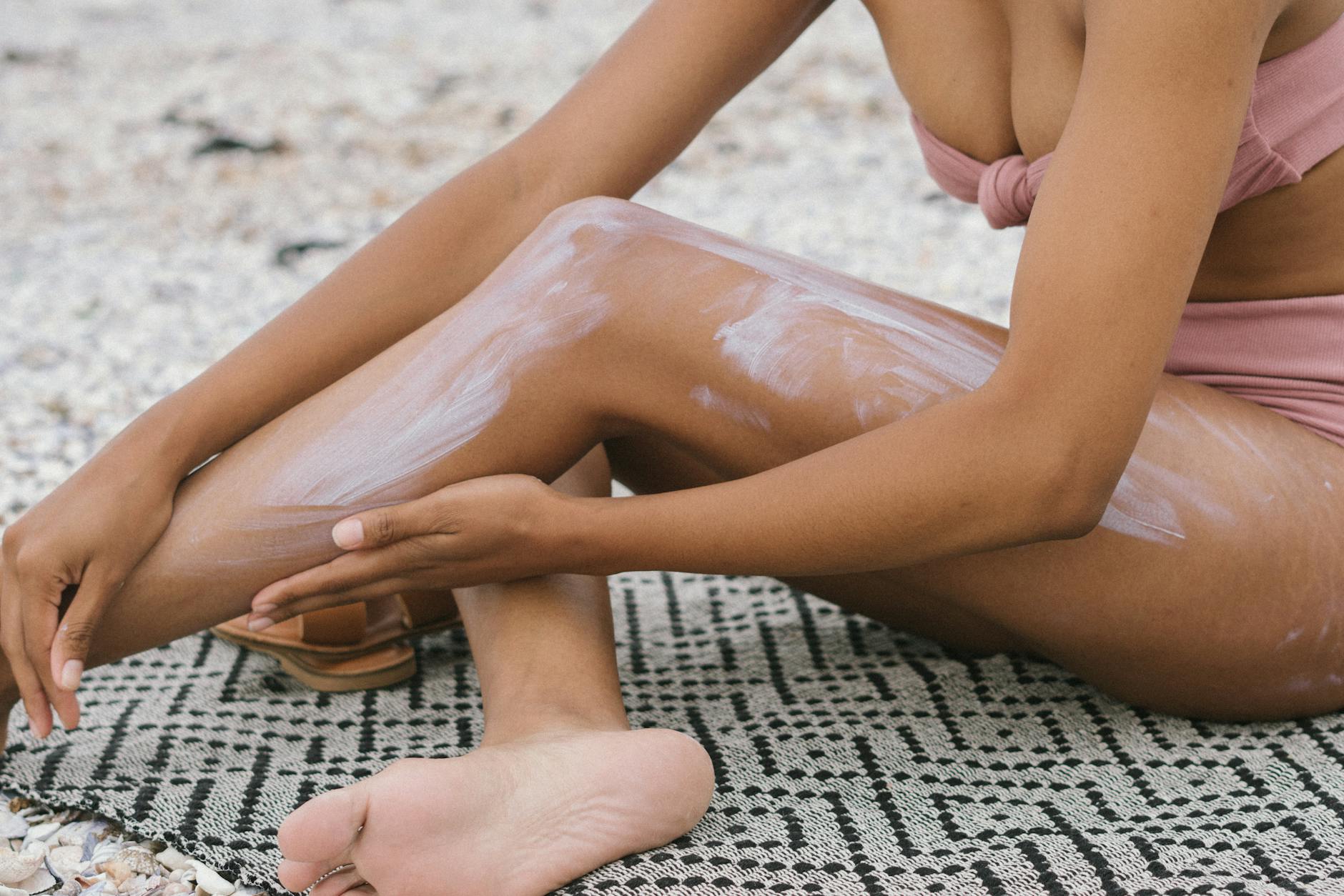
SPF Doesn't Last All Day — And the Beauty Industry Knows It
There's a routine millions of Americans follow every morning without thinking twice about it: moisturizer, then sunscreen, then out the door. It feels responsible. It feels protective. And for the first couple of hours, it more or less is.
After that? The protection you think you have and the protection you actually have start to drift pretty far apart.
The belief that a single morning application of SPF 30 or 50 keeps your skin shielded through a full day of errands, outdoor lunches, and afternoon walks is one of the most common — and quietly costly — skincare misunderstandings in the U.S. Dermatologists see the results regularly: people who wear sunscreen faithfully but still develop unexpected sun damage, premature aging, and in some cases, elevated skin cancer risk. Not because sunscreen doesn't work. Because they stopped reapplying it hours before the sun did its worst.
What SPF Actually Measures
To understand why this matters, it helps to know what SPF is actually telling you — because it's not what most people think.
SPF, which stands for Sun Protection Factor, measures how much longer it takes UV-B radiation to redden protected skin compared to unprotected skin under controlled lab conditions. SPF 30, for example, means it takes roughly 30 times longer to burn than with no sunscreen at all. SPF 50 means 50 times longer.
Here's what SPF does not measure: how many hours of protection you get. That calculation depends on your skin type, how much UV radiation you're being exposed to, how thickly you applied the product, whether you've sweated or swum or rubbed your face, and what time of day it is. The SPF number is a ratio, not a clock.
The FDA recommends reapplying sunscreen at least every two hours when outdoors, and immediately after swimming or heavy sweating. That's not a conservative suggestion — it reflects how quickly the active ingredients in most sunscreens degrade under real-world conditions.
How Sunscreen Breaks Down
Chemical sunscreens — the kind that absorb UV rays and convert them to heat — work through a photochemical reaction. The problem is that reaction gradually uses up the active compounds. Exposure to sunlight, in other words, is exactly what breaks down the thing you're counting on to protect you. Most chemical sunscreen formulas begin losing meaningful efficacy within one to two hours of UV exposure.
Mineral sunscreens, which use zinc oxide or titanium dioxide to physically block UV rays, are somewhat more stable but still get physically removed by sweat, towel-drying, and skin contact throughout the day.
Either way, the layer of protection you applied at 7 a.m. is not doing the same job at noon. And it's doing even less at 3 p.m., which is often when UV intensity is still near its daily peak.
Where the Misunderstanding Comes From
This isn't entirely the consumer's fault. Sunscreen marketing has, for decades, leaned heavily into the morning-routine framing. Products are positioned alongside moisturizers and primers as part of a single "get ready" step. The messaging emphasizes ease and integration — just add it to what you're already doing — which subtly implies that doing it once is sufficient.
Few brands prominently feature reapplication in their advertising. The reapplication message exists in fine print, on the back of the bottle, in the FDA's guidelines. It's there. But it competes with a cultural narrative that frames sun protection as a morning checkbox rather than an ongoing practice.
There's also a texture and convenience problem. Many people find sunscreen greasy, pore-clogging, or difficult to apply over makeup — which makes midday reapplication feel impractical. The industry has been slow to solve this, though newer powder and mist formats are starting to make it more realistic for everyday use.
The Real-World Consequences
This gap between perception and reality has measurable consequences. Skin cancer is the most commonly diagnosed cancer in the United States, and the American Academy of Dermatology estimates that about one in five Americans will develop it in their lifetime. UV exposure is the leading preventable cause.
The frustrating part is that many of these cases involve people who believe they are being careful. They buy high-SPF products. They apply them in the morning. They feel like they're doing the right thing. And in part, they are — but the missing piece, reapplication, undoes a significant portion of that effort.
Photoaging — the wrinkles, uneven pigmentation, and texture changes driven by cumulative sun exposure — follows the same pattern. It accumulates quietly, in the hours when people assume they're still covered.
What Actually Works
Dermatologists recommend a pretty consistent set of habits for genuine sun protection:
- Apply generously in the morning — most people apply far less than the amount used in SPF testing, which means real-world protection is lower than the label suggests.
- Reapply every two hours when spending time outdoors, and immediately after water or heavy activity.
- Use SPF 30 or higher as a baseline; SPF 50 offers modestly better protection and more buffer for under-application.
- Don't forget commonly missed spots — the tops of ears, back of the neck, tops of feet, and hands.
- Consider sun-protective clothing for extended outdoor exposure; a UPF-rated shirt doesn't need reapplying.
None of this requires overhauling your life. It mostly requires updating one assumption: that sunscreen is a one-and-done habit. It isn't — and treating it that way is the gap where sun damage slips through.