Feed a Cold, Starve a Fever? Doctors Have Been Trying to Kill This Saying for Years
The Advice That Comes With Every Sniffle
Somewhere between the soup and the tissues, someone always says it. Feed a cold, starve a fever. Maybe it was your grandmother. Maybe it was a coworker who said it with the confidence of someone reciting established medical fact. It's one of those phrases that gets passed down like a family recipe — nobody remembers where it came from, but everyone seems to know it.
Here's the thing: doctors have been pushing back on this advice for decades, and the research behind it is, at best, wildly misunderstood. At worst, following it could actually work against your recovery.
So where did this saying come from, and why has it survived for so long?
Tracing the Phrase Back Through the Centuries
The exact origin of "feed a cold, starve a fever" is genuinely murky, which is part of what makes it interesting. Some historians trace a version of the idea back to a 1574 dictionary by John Withals, which included the line: "Fasting is a great remedy of fever." The broader phrase in its current form started circulating widely in English-speaking countries during the 19th century.
The logic behind it was rooted in pre-modern theories about body temperature and illness. Medieval and early Renaissance thinkers believed the body had four humors — blood, phlegm, yellow bile, and black bile — and that illness resulted from these falling out of balance. A cold, in this framework, was associated with a drop in the body's internal temperature, so eating (which was thought to generate heat) made intuitive sense. A fever, on the other hand, meant the body was already running too hot, so withholding food was supposed to let it cool down.
None of that is how the human body actually works. But it was a coherent internal logic for its time, and coherent internal logic has a way of sticking around long after it's been disproven.
What Your Immune System Actually Needs
When you're sick — whether you have a cold, the flu, or a fever — your immune system is working overtime. Fighting off an infection is metabolically expensive. Your body is producing immune cells, running inflammatory responses, and in the case of a fever, deliberately raising its core temperature to create a less hospitable environment for pathogens.
All of that takes energy. And energy comes from food.
A 2002 study published in the journal Clinical and Experimental Immunology found some preliminary evidence that eating may stimulate immune responses associated with fighting viral infections (like colds), while fasting might support responses more relevant to bacterial infections. Some researchers have pointed to this as a potential kernel of truth in the old saying. But the study was small, the findings were inconclusive, and the researchers themselves were careful not to suggest patients should actually withhold food when sick.
The broader scientific consensus is considerably less nuanced: when you're unwell, your body needs nutrients. Protein supports immune cell production. Carbohydrates provide energy. Vitamins and minerals — particularly vitamin C, zinc, and vitamin D — play documented roles in immune function. Deliberately eating less when you're already fighting an infection isn't giving your body a strategic advantage. It's just making an already hard job harder.
As for fever specifically, the "starve" part of the advice is particularly problematic. A fever increases your metabolic rate, meaning your body is burning through energy faster than usual. Restricting food intake during a fever doesn't help your body fight the infection — it just reduces the fuel available to do so.
The One Part That Isn't Totally Wrong
To be fair, there's a reason the advice felt logical beyond just its medieval origins. When you're sick, your appetite often disappears — especially with a fever. Your body does redirect resources away from digestion and toward immune function when you're fighting an illness, which is part of why food stops sounding appealing.
So the "starve a fever" part isn't entirely invented — it reflects a real physiological response. The mistake is in treating that response as something to lean into rather than work around.
Most doctors and dietitians today recommend eating what you can tolerate when you're sick, even if your appetite is reduced. Small, nutrient-dense meals are better than nothing. Staying hydrated is arguably even more important, since both fevers and the immune response itself can lead to fluid loss.
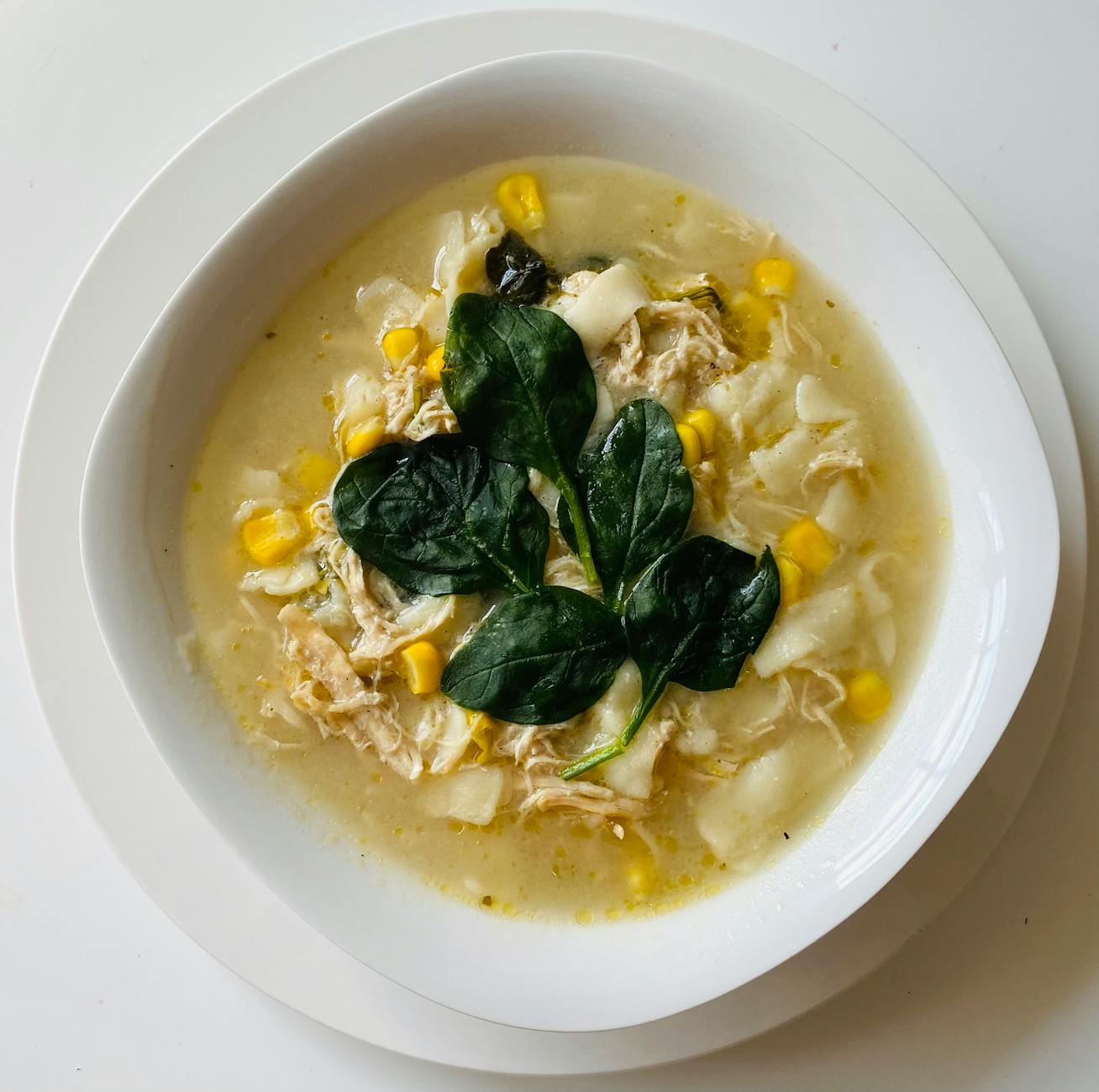
The old advice about chicken soup, interestingly, has more going for it than the feed/starve framework does. Warm broth can help with hydration, the steam may ease congestion, and some research suggests compounds in chicken soup have mild anti-inflammatory properties. Your grandmother may have been onto something — just not the part about starving anything.
Why Bad Medical Advice Has Such Long Legs
The "feed a cold, starve a fever" story is a good example of how folk medicine survives. It started as a theory that made sense within a now-obsolete understanding of the body. It got compressed into a catchy, easy-to-remember phrase. And it got passed down through generations of well-meaning people who had no reason to question it because it came from someone they trusted.
That's the real mechanism behind most persistent health myths: they don't survive because people are gullible. They survive because they were once reasonable-sounding answers to real questions, delivered by trusted sources, and nobody ever formally corrected the record in a way that reached the same audience.
The Short Version
When you're sick, eat what you can. Hydrate. Rest. If you have a fever, that's especially not the time to skip meals. Your immune system is doing serious work, and it needs the fuel.
As for the old saying — it's a charming piece of linguistic history. Just don't let it anywhere near your actual recovery plan.