Eight Glasses a Day? The Surprisingly Shaky Science Behind America's Favorite Hydration Rule
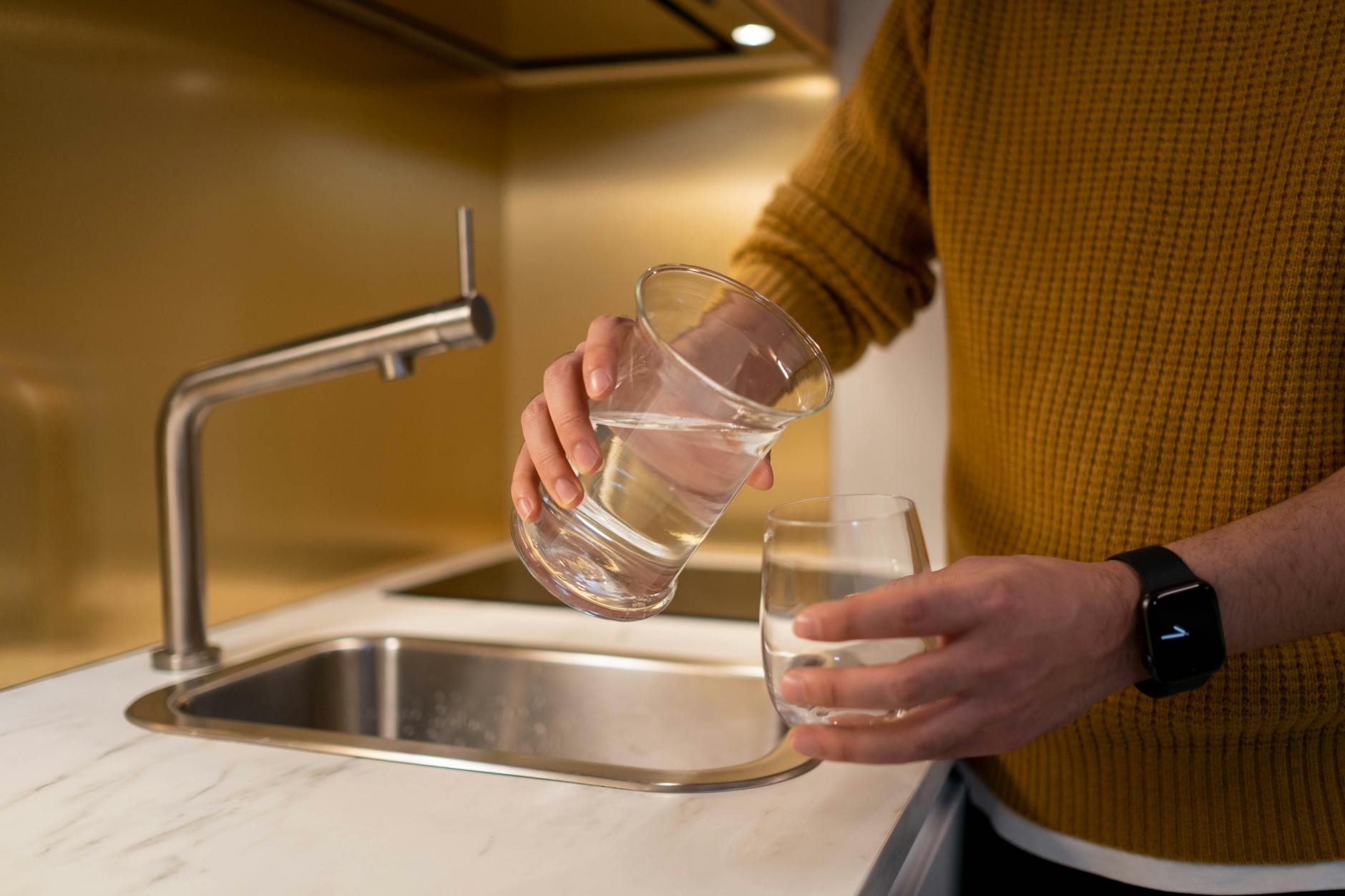
Eight Glasses a Day? The Surprisingly Shaky Science Behind America's Favorite Hydration Rule
Ask almost any American how much water they should drink, and there's a good chance they'll say eight glasses a day without missing a beat. It's the kind of health advice that gets passed down like a family recipe — stated with total confidence, rarely questioned, and repeated so often it starts to feel like common sense.
The only problem? The science behind it was always pretty thin.
Where the "8x8" Rule Actually Came From
The story of eight glasses a day traces back to 1945, when the U.S. Food and Nutrition Board published a dietary recommendation suggesting that adults consume about 2.5 liters of water daily. On the surface, that sounds like it could add up to eight cups. But here's the part that got quietly dropped from the cultural retelling: the very same document noted that most of that water intake comes from food.
Fruits, vegetables, soups, coffee, juice — all of it counts toward your daily fluid balance. The recommendation was never really about chugging eight standalone glasses of plain water. That nuance just didn't survive the translation into everyday advice.
A 2002 review published in the American Journal of Physiology by Dr. Heinz Valtin took a hard look at whether any scientific evidence actually supported the 8x8 rule — eight glasses, eight ounces each. His conclusion was blunt: he couldn't find any. The guideline had taken on a life of its own, completely detached from the research that supposedly inspired it.
Why Hydration Is More Personal Than You Think
The bigger issue with a universal number is that hydration isn't universal. How much water a person needs depends on a pretty long list of variables: body size, activity level, climate, diet, age, and overall health all play a role. A 130-pound woman working a desk job in Minnesota in January does not have the same hydration needs as a 200-pound construction worker in Phoenix in July. Applying the same number to both people isn't science — it's a rough guess.
The National Academies of Sciences, Engineering, and Medicine updated its guidance to reflect this reality. Their recommendation is roughly 3.7 liters (about 125 ounces) of total water per day for men and 2.7 liters (about 91 ounces) for women — but again, that includes all beverages and the water content in food. It's also described as an adequate intake level, not a hard target every person needs to hit.
Your kidneys, it turns out, are remarkably good at managing fluid balance on their own. For most healthy adults, thirst is a reliable enough signal. If you're thirsty, drink. If you're not, your body probably isn't sounding an alarm.
So Why Has the Myth Stuck Around?
A few forces have kept the eight-glasses rule alive long past its scientific expiration date.
First, it's simple. Health advice that comes with a clean, memorable number travels fast and sticks hard. "Drink when your kidneys signal a need based on individual metabolic demands" doesn't fit on a wellness poster. "Eight glasses a day" does.
Second, the bottled water and beverage industry has had little incentive to correct the record. The more anxious people feel about their hydration, the more they buy. Various marketing campaigns over the years have leaned into the idea that most Americans are chronically dehydrated — a claim that researchers have also pushed back on as overstated for the general healthy population.
Third, the advice feels virtuous. Drinking more water is easy to do, costs almost nothing, and carries almost no downside for most people. Even if the specific number is arbitrary, following it probably won't hurt you, which makes it easy to keep repeating.
Can You Actually Drink Too Much Water?
This part surprises people: yes, technically. Overhydration — drinking water far in excess of what the kidneys can process — can lead to a condition called hyponatremia, where sodium levels in the blood drop dangerously low. It's rare in everyday life but has occurred in endurance athletes who drink excessive plain water during long events without replacing electrolytes.
For the average person going about their day, this isn't a real risk. But it's a useful reminder that "more is always better" isn't how biology works.
The Actual Takeaway
Nobody is saying stop drinking water. Staying well-hydrated genuinely matters for energy, cognitive function, kidney health, and a lot more. The point is that your body has been managing this process for a very long time, and it's better at it than a number someone wrote down in 1945.
Pay attention to thirst. Eat a diet with plenty of fruits and vegetables. Notice the color of your urine — pale yellow is generally a good sign, dark amber means drink up. And if a healthcare provider has given you specific guidance based on a medical condition, follow that.
But if you've been stressing about whether you hit your eighth glass by 9 p.m.? You can probably let that one go.