The Heart Pill Millions of Americans Still Take Every Morning Isn't What Their Doctors Recommend Anymore
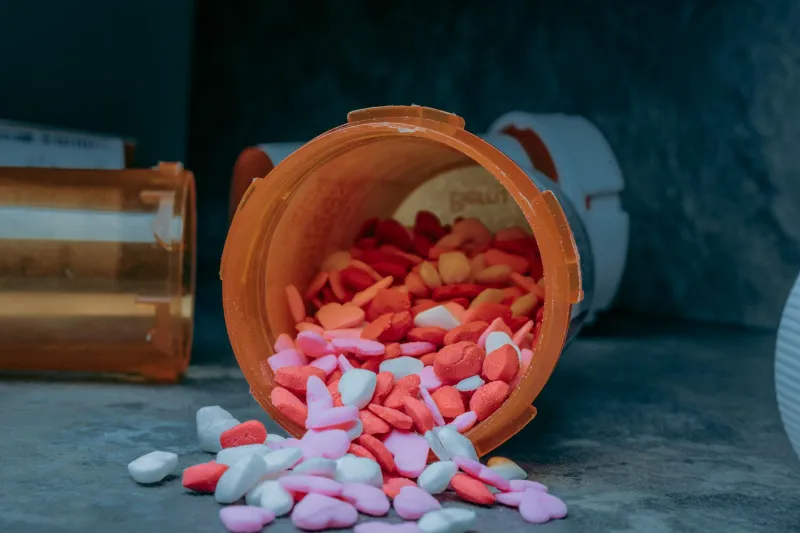
Walk into any American pharmacy and you'll find them: bottles of low-dose "baby" aspirin marketed specifically for heart health. Millions of people over 50 dutifully pop one every morning, convinced they're doing their hearts a favor. Many started this routine years ago when their doctor mentioned it almost casually, like recommending more vegetables or exercise.
But here's what most people don't realize: the medical advice around daily aspirin has fundamentally changed. What was once considered nearly universal wisdom for preventing heart attacks and strokes now comes with significant caveats that many Americans never heard about.
How Aspirin Became America's Heart Medicine
The story of daily aspirin begins with genuine scientific breakthroughs. In the 1970s and 80s, researchers discovered that aspirin's blood-thinning properties could prevent the clots that cause heart attacks and strokes. Early studies showed dramatic benefits for people who had already survived a heart attack or stroke—reducing their risk of another event by about 25%.
This was revolutionary. A cheap, widely available pill could save lives for people with established heart disease. The medical community embraced what became known as "secondary prevention"—using aspirin to prevent second heart events in people who'd already had one.
But then something interesting happened. The success with high-risk patients led to a logical question: if aspirin prevents second heart attacks, why not use it to prevent first ones too?
When Prevention Advice Goes Mainstream
By the 1990s, the idea of daily aspirin for "primary prevention"—stopping first heart attacks in healthy people—gained momentum. Large studies suggested benefits for certain groups, particularly men over 50 and women over 60 with risk factors like high blood pressure or diabetes.
The appeal was obvious. Heart disease kills more Americans than any other condition. If a penny-a-pill medication could prevent heart attacks in healthy people, why wouldn't you take it?
Medical organizations began issuing guidelines that many doctors interpreted broadly. The U.S. Preventive Services Task Force recommended daily aspirin for adults 50-59 with elevated cardiovascular risk. Many physicians extended this advice even further, suggesting it to patients in their 40s or those with minimal risk factors.
The message that filtered down to patients was simple: if you're middle-aged and want to prevent heart problems, take a daily aspirin. It became as routine as recommending exercise or not smoking.
The Bleeding Problem Nobody Talked About
Here's what got lost in translation: aspirin doesn't just thin your blood to prevent clots—it thins your blood, period. That same mechanism that prevents heart attacks also increases bleeding risk, particularly in the stomach and brain.
For people who've already had a heart attack, this tradeoff made sense. Their risk of another heart event was high enough that the bleeding risk was worth it. But for healthy people with lower baseline risk, the calculation was much more complicated.
The problem was that bleeding risks weren't communicated as clearly as heart benefits. Patients heard "prevents heart attacks" but not "increases risk of potentially serious bleeding." Many doctors, focused on the dramatic heart benefits seen in high-risk patients, didn't adequately discuss bleeding risks with lower-risk patients.
When the Science Shifted
As more data accumulated, a clearer picture emerged. While daily aspirin definitely helped people who'd already had heart problems, the benefits for healthy people were much smaller than initially thought. Meanwhile, bleeding risks—including potentially fatal brain bleeds—were higher than expected, especially in people over 70.
In 2019, the American Heart Association and American College of Cardiology issued new guidelines that were notably more restrictive. They recommended against routine aspirin use for adults over 70 and suggested that even adults 40-70 should only consider it if they have high cardiovascular risk and low bleeding risk.
Then in 2022, the U.S. Preventive Services Task Force went further, recommending against starting daily aspirin for primary prevention in adults 60 and older. For adults 40-59, they said the decision should be individualized based on risk factors.
Why Millions Still Take Their Morning Aspirin
Despite these changed recommendations, surveys suggest millions of Americans continue daily aspirin routines they started years or even decades ago. There are several reasons this outdated advice persists:
Many people never heard about the updated guidelines. Unlike the original recommendation, which was widely publicized, the more nuanced recent advice didn't get the same media attention.
Older patients often stick with advice they received years ago, especially if it came from a trusted doctor. Stopping a medication feels riskier than continuing it, even when the science has evolved.
The original message was simpler and more memorable: "Take aspirin for your heart." The current message—"Maybe take aspirin if your doctor thinks your specific risk profile justifies it"—is harder to remember and act on.
What This Means for You
If you're taking daily aspirin for heart health, the most important thing is to have an updated conversation with your doctor. They can assess your individual risk factors and determine whether the benefits still outweigh the risks for your specific situation.
For some people—particularly those with multiple risk factors for heart disease and low bleeding risk—daily aspirin may still make sense. For others, especially those over 70 or with higher bleeding risk, it may not.
The broader lesson here is that medical advice evolves as we learn more. What seemed like simple, universal wisdom often turns out to be more complicated when we dig deeper into the data. The aspirin story is a reminder that even well-intentioned health advice can outlast the science that originally supported it.