We've Been Selling Ourselves Short on Brain Power for 100 Years — Here's How the 10% Myth Refuses to Die
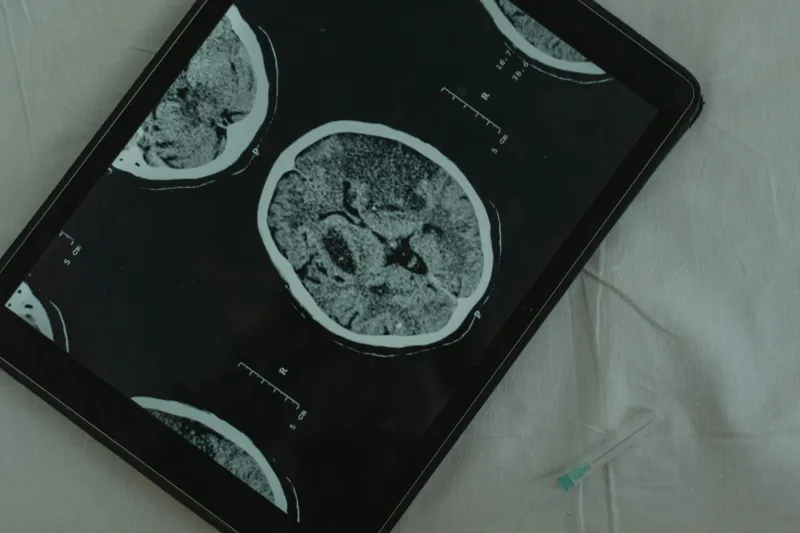
If you've ever felt like you're not living up to your potential, you've probably heard the comforting promise: humans only use 10% of their brains. Unlock that remaining 90%, the thinking goes, and you could develop telepathy, photographic memory, or superhuman intelligence.
It's a seductive idea that's been repeated in countless self-help books, motivational speeches, and blockbuster movies. But here's the thing — it's been completely wrong for over a century.
What Brain Scans Actually Show
Modern neuroscience has definitively debunked the 10% myth using tools that didn't exist when the idea first took hold. Brain imaging techniques like PET scans and fMRI show that we use virtually all of our brain, even during simple tasks.
"Even during sleep, areas of the brain show significant activity," explains Dr. Barry Gordon, a neurologist at Johns Hopkins School of Medicine. "We use essentially 100% of our brain."
This makes evolutionary sense. The brain consumes about 20% of our body's energy despite being only 2% of our body weight. If 90% of it were truly useless, natural selection would have eliminated that expensive dead weight long ago.
Damage to almost any part of the brain — no matter how small — typically produces noticeable effects. If 90% of our brain were dormant, strokes and injuries to those "unused" areas would cause no symptoms at all.
The Mystery Origins of a Persistent Lie
So where did this myth come from? The truth is, nobody knows for sure — and that's part of why it's been so hard to kill.
Some trace it back to William James, the 19th-century psychologist who wrote that people only achieve a fraction of their potential. But James was talking about human achievement, not literal brain usage. Others point to early brain researchers who couldn't identify the function of certain brain regions and mistakenly labeled them "silent areas."
The myth gained serious momentum in Dale Carnegie's 1936 bestseller "How to Win Friends and Influence People," where he attributed the 10% claim to William James — a connection James never actually made. From there, it spread through the self-help industry like wildfire.
Hollywood has been equally guilty of perpetuating the myth. The 2014 film "Lucy" built its entire premise around unlocking unused brain capacity, while "Limitless" explored similar themes. These movies ignore the inconvenient fact that the premise is scientifically impossible.
Why We Keep Choosing the Lie Over the Truth
Despite decades of scientific evidence to the contrary, the 10% myth refuses to die. In fact, surveys show that roughly 65% of Americans still believe some version of it.
The reason isn't ignorance — it's psychology. The myth offers something irresistible: hope.
"It's an optimistic view that there's so much more we could be doing," says Dr. Scott Lilienfeld, a psychology professor who has studied scientific misconceptions. "It suggests that we all have enormous untapped potential."
This appeals to a fundamental human need. We want to believe we're capable of more than our current circumstances suggest. The 10% myth provides a scientific-sounding explanation for why we haven't achieved everything we want — and a promise that we still could.
The myth also fits perfectly with American cultural values around self-improvement and individual potential. It suggests that limitations are temporary and success is just a matter of accessing our hidden capabilities.
The Real Story About Brain Potential
Here's what's actually true: while we use virtually all of our brain, we can certainly get better at using it. Learning new skills creates new neural connections. Practice strengthens existing pathways. Physical exercise increases blood flow to the brain and promotes the growth of new neurons.
But this improvement comes through hard work, not by flipping some biological switch to access unused brain regions. There's no secret 90% waiting to be unlocked — just the gradual, effortful process of building knowledge and skills over time.
The brain is remarkably plastic and capable of impressive adaptation. People who lose their sight often develop enhanced hearing abilities as their brain redirects resources. Stroke patients can sometimes recover lost functions as healthy brain regions take over damaged areas' responsibilities.
But these changes happen through specific training and rehabilitation, not by accessing some mythical reserve capacity.
Why This Myth Matters
Believing the 10% myth isn't just harmless wishful thinking. It can lead people to waste time and money on products and programs that promise to unlock hidden brain power. Worse, it can create unrealistic expectations about human capabilities and personal transformation.
The real science of human potential is actually more inspiring than the myth. Our brains are incredibly sophisticated organs that we use fully, not warehouses of untapped capacity. The path to improvement lies not in accessing secret brain regions, but in the patient work of learning, practicing, and growing.
Understanding this can help us set more realistic goals and appreciate the genuine complexity and capability of the human brain — without needing to believe we're only scratching the surface of what's possible.
The Takeaway
The next time someone tells you that humans only use 10% of their brains, you can confidently correct them: we use virtually all of it, all the time. The myth persists not because it's true, but because it tells us what we want to hear about our potential.
The real story of human capability is found not in accessing unused brain regions, but in the remarkable plasticity and adaptability of the organ we already fully use. That might be less magical than the myth promises, but it's far more amazing than most people realize.